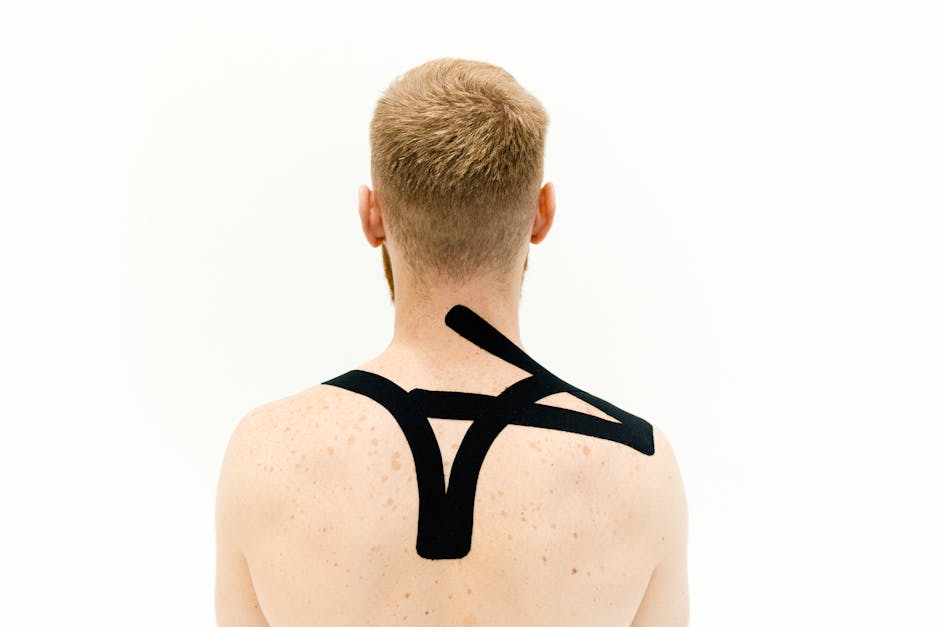
Searched for structural integration for shoulder pain in Boston? While Rolfing® is a trademark of The Rolf Institute, Joel Gheiler practices the original Rolf Method of Structural Integration — the lineage Dr. Ida Rolf taught her senior students — including Emmett Hutchins, who later founded the Guild for Structural Integration where Joel trained directly under him — before her work was formalized as Rolfing®. Here’s how it addresses shoulder and chest tightness:
The Shoulder Problem No One Addresses
Shoulder pain is one of the most frustrating conditions people deal with. It limits sleep, makes reaching overhead feel precarious, and creates a persistent dull ache that never fully resolves. If you have been through physical therapy, massage, or even cortisone injections without lasting improvement, the issue may not be what you think it is.
Most treatments for shoulder pain focus on the shoulder joint itself — the rotator cuff muscles, the glenohumeral capsule, the deltoids. This makes intuitive sense. But Dr. Ida Rolf saw it differently. She understood that the shoulder is not an independent structure. It is suspended within the fascial web of the entire torso.
When I work with clients seeking Structural Integration for shoulder pain in Boston, the shoulder is rarely where I begin.
Ida Rolf's Insight: Shoulders Are a Torso Problem
One of Dr. Ida Rolf's most important observations was that shoulder dysfunction originates from the relationship between the chest, the ribcage, and the upper back — not from the shoulder joint alone. This was a radical departure from conventional thinking, and it remains one of the most clinically relevant insights in bodywork.
When the chest is collapsed — as it is in most people who spend hours at a desk — the pectoral fascia shortens, the anterior shoulder rolls inward, and the upper back compensates by rounding. The rotator cuff muscles are now working at a mechanical disadvantage. They strain not because they are weak, but because the fascial environment they operate within has changed.
This is why stretching and strengthening alone rarely solve chronic rounded posture and shoulder tightness. The fascial pattern must be addressed at its source.
Rounded Shoulders and Desk Work
Boston is a city of professionals — people who spend eight, ten, twelve hours a day at computers. The postural pattern this creates is remarkably consistent: shortened pectoral fascia, internally rotated shoulders, a head that drifts forward, and a thoracic spine that loses its natural extension.
Over months and years, the fascia adapts to this position. The tissue thickens and shortens along the front of the chest. The fascia of the upper back becomes stretched and weakened. What started as a postural habit becomes a structural pattern — the body literally reshapes itself around the position you hold most often.
As I describe in my article on the Line and why it matters in the Rolf Method (and Rolfing®), the goal of the Rolf Method is to restore the body's natural alignment in gravity. When the chest opens and the thoracic spine regains its integrity, the shoulders find their proper position without being forced there.
Frozen Shoulder and Fascial Restriction
Frozen shoulder — adhesive capsulitis — is a condition where the shoulder joint gradually loses range of motion, often becoming severely restricted over months. The conventional understanding focuses on inflammation and capsular adhesion within the joint.
From a Rolf Method perspective, frozen shoulder patterns often involve fascial restrictions that extend well beyond the joint capsule. The fascia of the axilla, the lateral ribcage, and the upper arm can all participate in limiting shoulder mobility. These restrictions develop slowly and are often present long before the shoulder "freezes."
The Rolf Method addresses frozen shoulder not by forcing range of motion, but by systematically releasing the fascial restrictions that contribute to the pattern. This is precise, deliberate work — not aggressive mobilization. The tissue responds to informed touch, not force.
How the Rolf Method Opens the Upper Body
In the Rolf Method's progressive series, the upper body is addressed through a specific sequence. The superficial fascia of the chest and ribcage is opened first, creating space for the deeper structures to shift. The relationship between the ribcage and the shoulder girdle is then addressed, allowing the shoulders to settle back and down naturally.
Clients frequently describe the sensation as their chest "opening" or their shoulders "dropping." What they are feeling is the release of fascial patterns that have been compressing the upper body for years. The breath deepens. The upper back straightens. The head finds a more balanced position over the spine.
This is directly related to what I discuss in the article on Structural Integration vs Rolfing® — the Guild approach maintains focus on these structural relationships rather than moving toward lighter, more energetic modalities.
Why Massage and Stretching Fall Short This is also a common pattern I see in clients who've tried Rolfing® sessions focused primarily on the shoulder joint itself — the work can provide temporary relief, but if the underlying chest and ribcage restrictions aren't addressed in the sequence Ida Rolf originally designed, the shoulder pattern tends to reorganize back to where it started.
Massage is effective for releasing muscular tension. A good massage therapist can relieve the tight upper trapezius, the knotted rhomboids, the aching levator scapulae. But if the fascial pattern pulling the shoulders forward has not been addressed, those muscles will tighten again within days.
The Rolf Method works at a different level. Rather than addressing the muscles that are symptomatic, we address the fascial relationships that are creating the demand on those muscles. When the chest opens and the ribcage organizes, the muscles of the upper back no longer have to fight against a collapsed front body. They relax because their structural environment has changed.
What to Expect
Clients who come to me for Structural Integration for shoulder pain in Boston often notice a significant shift in their shoulder position and chest openness within the first few sessions. The work is precise and can be intense at moments, but it is not aggressive. I work with the tissue, following where it needs to go.
Over the course of the full ten-session series, the changes compound. The shoulders, the ribcage, the spine, and the pelvis all begin to relate to each other differently. What began as a shoulder complaint often reveals itself as a whole-body pattern — and the resolution reflects that.
If you have been dealing with chronic shoulder tightness, rounded posture, or chest restriction that has not responded to conventional treatment, the Rolf Method offers a structural approach that addresses the pattern at its root. The work is grounded in Dr. Ida Rolf's original understanding of how the body organizes in gravity — and that understanding remains as relevant today as when she first taught it.