"Where You Think It Is, It Ain't" — Ida Rolf's Aphorism on Structural Thinking
Ida Rolf's most famous teaching aphorism. How structural thinking and the original Rolf Method differ from chasing symptoms.
Read more →Deep structural work — not a typical massage.
Each session is 90 minutes. Investment is $350 per session.
We limit our practice to 3 clients per day. You're welcome to book multiple sessions — one per week max.
Writings on the original Rolf Method of Structural Integration — the philosophy, the practice, and the lineage predating the Rolfing® system.
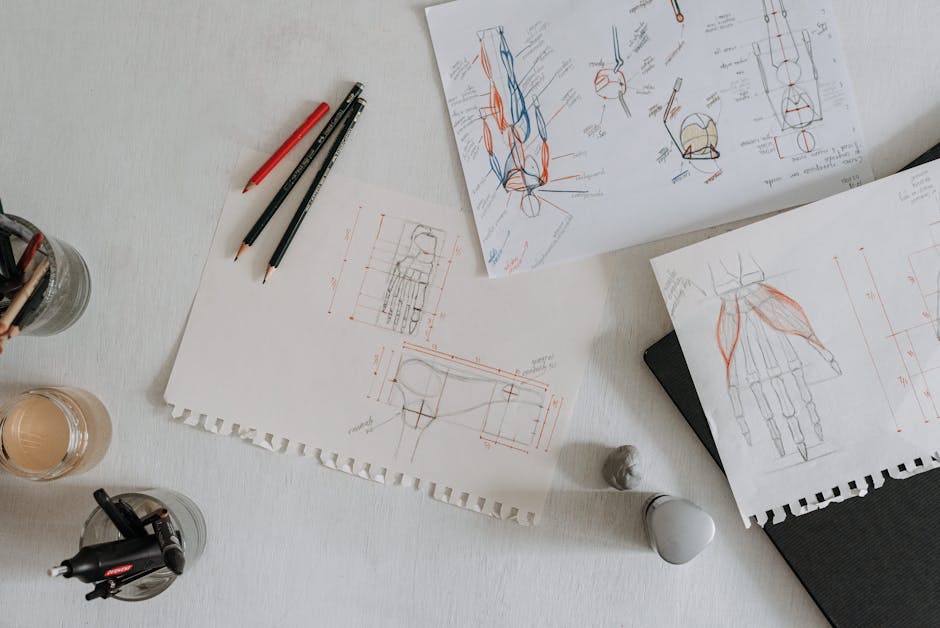
Ida Rolf's most famous teaching aphorism. How structural thinking and the original Rolf Method differ from chasing symptoms.
Read more →
Why intelligent structural work means strategy over force. Ida Rolf's whole-body approach to the original Rolf Method.
Read more →
Structure and function must change together. How myofascial release and somatic therapy combine in the Rolf Method.
Read more →
Layering, pacing, sagittal lines, and balanced internal/external work — the principles Ida Rolf emphasized.
Read more →
A tensegrity-inspired concept for understanding the body multidimensionally. How fascia, joints, and balanced suspension work together.
Read more →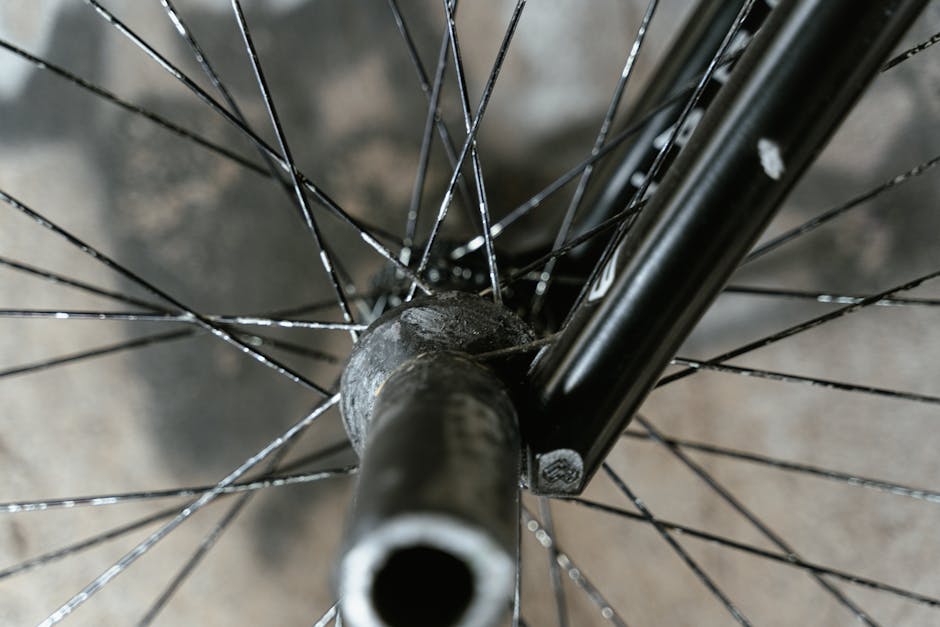
A wheel-truing analogy for understanding how practitioners perceive and approximate the body's relationship to gravity.
Read more →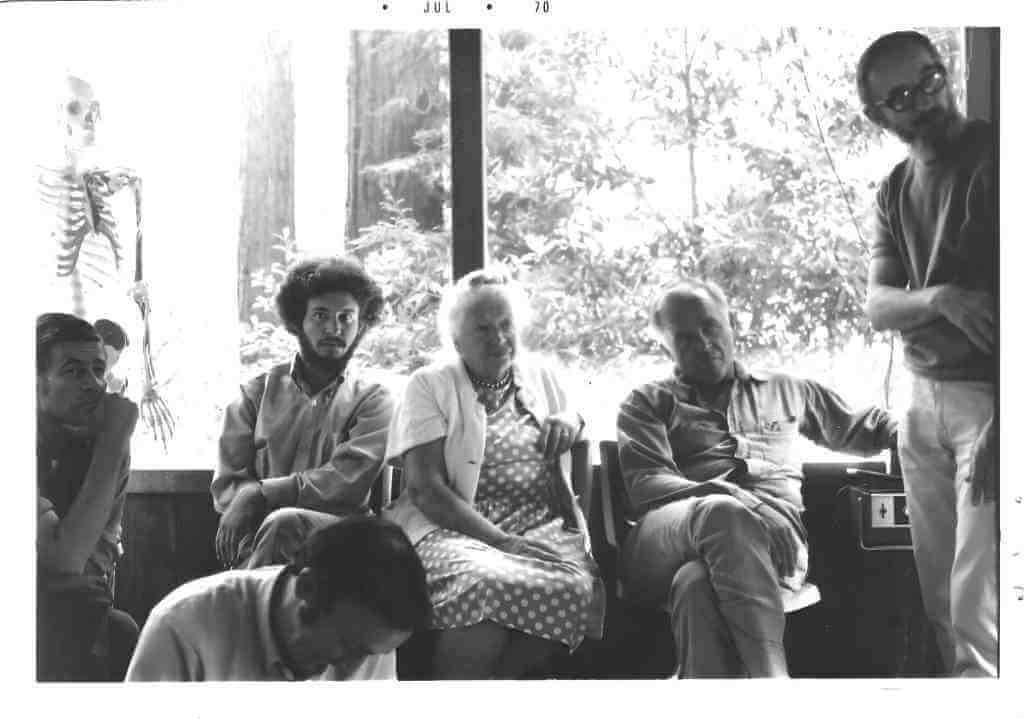
What's the difference between Rolfing® and the original Rolf Method? How the Guild for Structural Integration preserves Ida Rolf's approach — and why it matters for your results.
Read more →
Ida Rolf described it as one session divided into ten parts. How the original Rolf Method's ten-series differs from modern Rolfing® — and how Structural Integration uses this framework today.
Read more →
The Line is Ida Rolf's map for how gravity moves through the body. How the original Rolf Method of Structural Integration uses this concept in myofascial release to create lasting alignment.
Read more →
How Rolf Method practitioners hold tension and ease simultaneously to evoke order in the fascial web — the original Ida Rolf approach to Structural Integration.
Read more →
Forward-head posture, jaw tension, and chronic neck stiffness — how fascial patterns develop and how the original Rolf Method addresses structural neck issues.
Read more →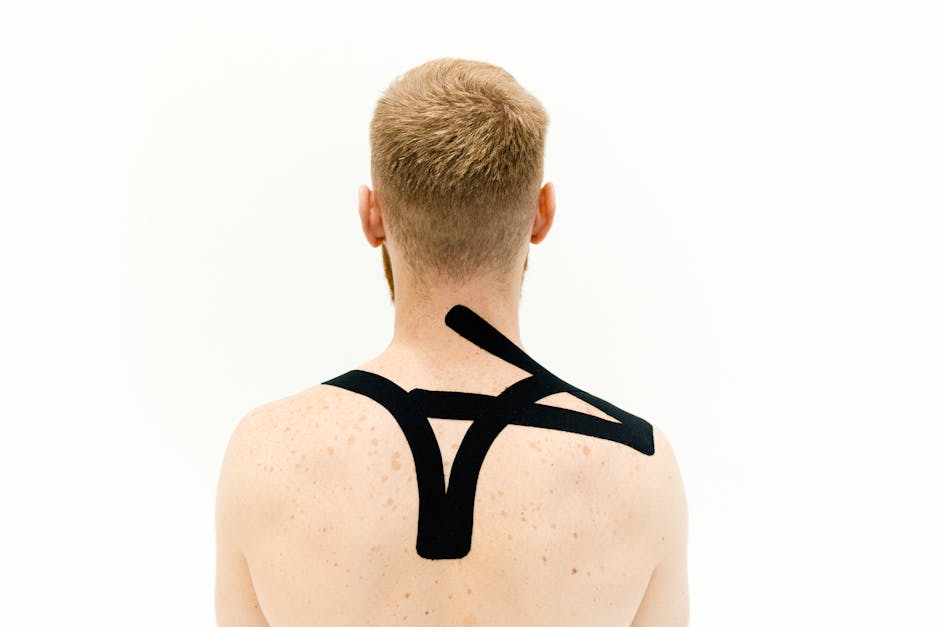
Rounded shoulders, frozen shoulder patterns, and chest tightness — how the Rolf Method opens the upper body through fascial work rather than stretching.
Read more →
How fascial restrictions create back pain patterns that persist despite massage and PT — and how the Rolf Method organizes the spine in gravity.
Read more →
Tight hip flexors, SI joint issues, and pelvic imbalance — how the Rolf Method works with the relationship between hips, low back, and legs.
Read more →
Plantar fasciitis, flat feet, and ankle instability — how the Rolf Method reorganizes the body's relationship to the ground from the feet up.
Read more →
How stress lives in the body as fascial restriction — and how the Rolf Method creates space for both physical and emotional release.
Read more →
How fascia responds to skilled touch, why structural work creates lasting change, and Ida Rolf's insights validated by modern research.
Read more →
Key differences between massage and Structural Integration — fascia vs muscle, lasting results vs temporary relief.
Read more →
Why adjustments don't hold — the soft tissue pulls bones back. How the Rolf Method creates lasting alignment through fascial work.
Read more →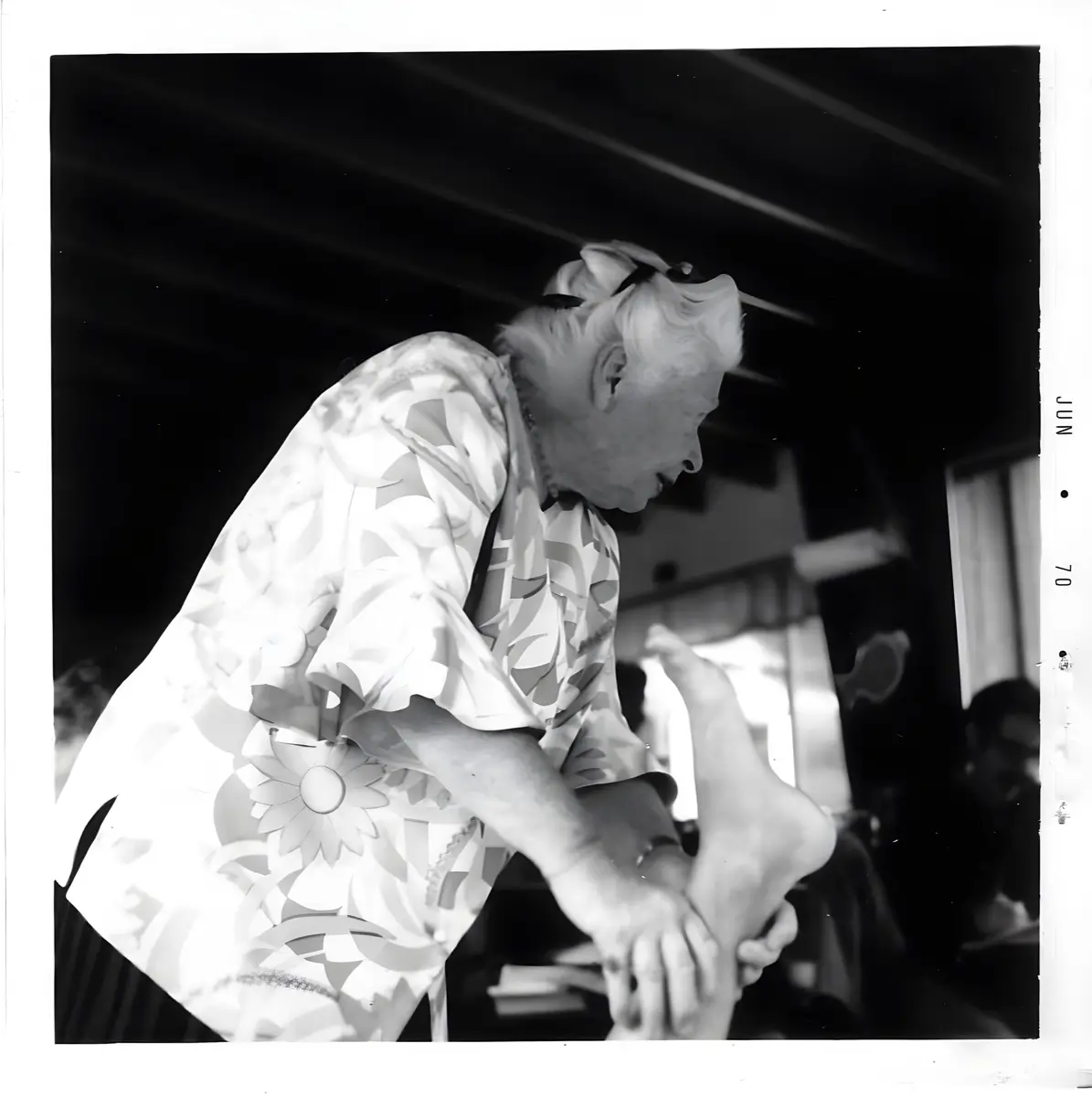
What happens in a first session — assessment, hands-on work, what to wear, what it feels like, and what changes to expect.
Read more →
What somatic therapy means, how the Rolf Method is inherently somatic, and the body-mind connection through fascia.
Read more →
How trauma lives in the body as structural holding — and how the Rolf Method supports recovery through fascial reorganization.
Read more →
How structural imbalances limit athletic performance — and how the Rolf Method creates more efficient movement patterns.
Read more →
Why posture isn't about standing up straight — it's about fascial organization. How the Rolf Method addresses the structural cause.
Read more →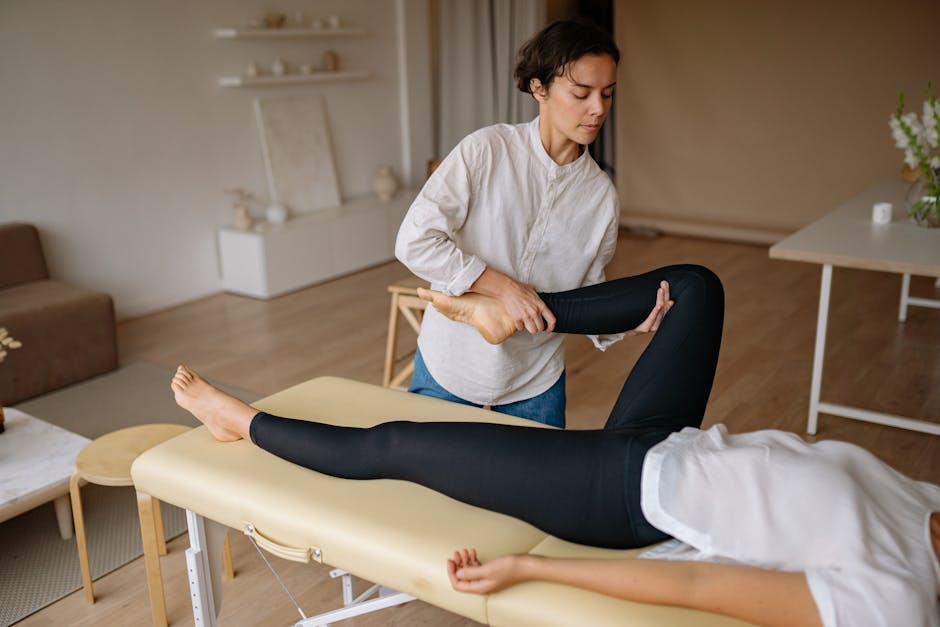
How fascial restrictions compress the sciatic nerve — and why the Rolf Method addresses the pattern, not just the symptom.
Read more →
Curated resources for learning about the Rolf Method, Structural Integration, and Ida Rolf's original work.
Read more →